

Dubai launches Jabr system – 5 ways families to receive instant bereavement support after a death
New unified digital platform reduces emotional and financial pressures in difficult moments
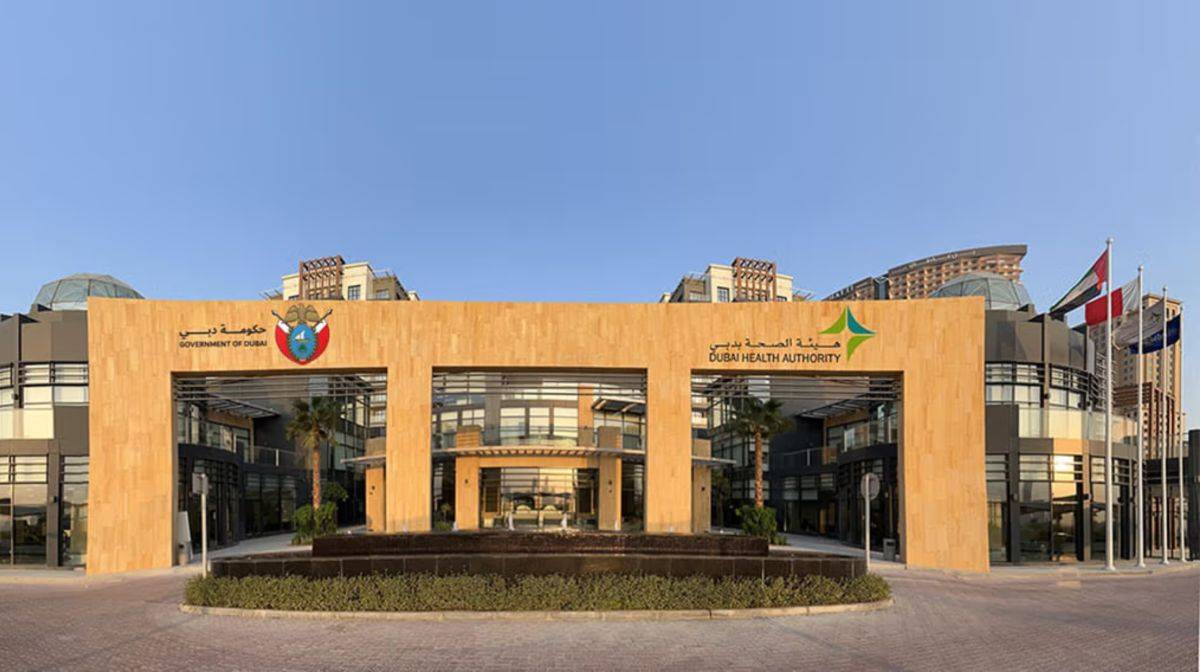
DUBAI – Dubai Health Authority has introduced a comprehensive new phase of bereavement-related services under the Jabr system, a transformation designed to make the period following a death faster, simpler, and significantly less burdensome for families.
Rooted in the humanitarian principles of the emirate and rolled out under the broader ‘City Makers’ initiative, the system integrates every required procedure into a single, proactive framework. Its aim is to ease emotional strain by digitising processes, reducing paperwork, synchronising government coordination, and assigning dedicated support personnel to each family. It seeks to ensure no one must navigate multiple entities at a time of loss, allowing people to focus on the emotional and social needs that accompany grief.
What is Jabr system?
At its core, Jabr relies on a unified digital platform connected to all relevant government departments. As soon as a death is registered at any public or private hospital in Dubai, notifications are sent automatically to participating entities. This enables an immediate response and allows procedures to begin without the family needing to apply for anything. Alongside this, a Government Service Officer is assigned to manage and complete all formalities, including burial, repatriation, and coordination of social and psychological support.
The initiative also accelerates approvals for transporting the deceased and processing repatriation requests, with a notable reduction in the time required for burial and condolence-related services. Families are offered a streamlined experience designed to match Dubai’s wider digital transformation, while maintaining the cultural values that place community and compassion at the centre of public service.
People first
Dubai Health Authority’s Director-General, Dr Alawi AlSheikh-Ali, said the system reflects an unwavering commitment to placing people at the forefront of government priorities. He emphasised the importance of addressing the psychological and social dimensions of grief, alongside administrative needs. He added that Jabr embodies the values of the UAE community by supporting families during a period often marked by emotional difficulty.
The integrated approach is designed to relieve families from the pressures associated with traditional processes, many of which required physically visiting several departments. Instead, the dedicated Government Service Officer becomes the single point of contact and takes charge of every formal procedure, ensuring families receive continuous care at every stage.
According to Majid Al Muhairi, Official Spokesperson of the Jabr System and Director of the Information Technology Department at the Dubai Health Authority, the transformation moves far beyond process completion. The enhanced framework includes ongoing psychological and social support before, during, and after the condolence period. Al Muhairi added that Jabr sits within a larger group of initiatives under the City Makers programme, reflecting Dubai Government’s focus on embedding humanitarian values into all services.
He also confirmed that Jabr aligns with Dubai’s rapid digital evolution, integrating smart solutions and world-class service standards. The approach ensures families no longer need to visit multiple departments or repeatedly provide documents already issued by the system.
A notable advancement is the proactive issuance of the death certificate. Once issued, it is circulated automatically to all relevant entities, ensuring it is not requested again. This allows all other processes to unfold immediately through the Government Service Officer. Al Muhairi noted that the Authority continues to enhance service quality in ways that ease emotional and financial pressures, while addressing the specific circumstances of each family.
Juma Al Blooshi, Consultant in the Public Health Protection Department, said this initiative underscores Dubai Government’s commitment to enhancing quality of life by embedding digital solutions into daily services. The objective is to reduce both psychological and financial strain, helping families navigate a difficult period with greater support.
Social care
The social support components of Jabr ensure that families receive both logistical and community-oriented assistance. The Community Development Authority, working with relevant partners, provides an additional condolence tent for every Emirati family, complete with full hospitality services for the traditional three-day condolence period. More than 70 locations across Dubai have been designated for condolence tents in coordination with the Islamic Affairs and Charitable Activities Department, enabling swift installation at the preferred location.
Beyond Emirati households, residents also receive dedicated support through cooperation with eight public-benefit organisations and places of worship. Families are provided with comprehensive guidance by their assigned Government Service Officer, who relays all necessary information and coordinates with charity associations where appropriate. Once a case is identified, a specialised team studies the social circumstances of the family and takes suitable action based on their needs.
Psychological support
Psychological care is a core aspect of the Jabr framework. The Knowledge and Human Development Authority, in partnership with the Dubai Academic Health Corporation, has trained 230 school counsellors to support students experiencing the loss of a family member. These counsellors are qualified to provide structured emotional support and identify the needs of grieving students within school environments.
In addition, the Islamic Affairs and Charitable Activities Department offers optional religious lectures through trained religious counsellors. These sessions can be arranged upon notification and provide families with spiritual guidance tailored to their preferences.
Digital integration
A unified smart system lies at the centre of Jabr’s operations. When a hospital registers a death, the system generates immediate alerts to all relevant government bodies, enabling proactive service delivery. This digital infrastructure is supported by an integrated dashboard that accelerates administrative decision-making and ensures real-time coordination.
One of the most significant enhancements is the establishment of a unified payment point, created in partnership with Digital Dubai. This measure reduces the number of separate payment channels families previously had to navigate for specific services requiring fees.
Another major component is the proactive opening of estate files by Dubai Courts. Families no longer need to attend in person to initiate the process. Once the death certificate is issued through Jabr, the estate preparation file is automatically registered. Relevant authorities then begin the process of inventorying the deceased’s assets, allowing heirs to proceed more efficiently with inheritance documentation, including the Sharia-based heirship certificate. After the certificate is issued, heirs are able to decide how to manage the estate.
Funeral services and facilities
The Islamic Affairs and Charitable Activities Department has implemented a qualification programme for volunteers specialising in washing and shrouding the deceased. More than 130 volunteers have completed the training. The initiative includes the shroud kit and an instructional guide for cemetery management, ensuring that funeral processes follow clear, well-organised standards.
Cemetery facilities across Dubai have also undergone development in coordination with Dubai Municipality. These enhancements aim to improve the efficiency of funeral procedures and ensure families receive timely support during burial arrangements.